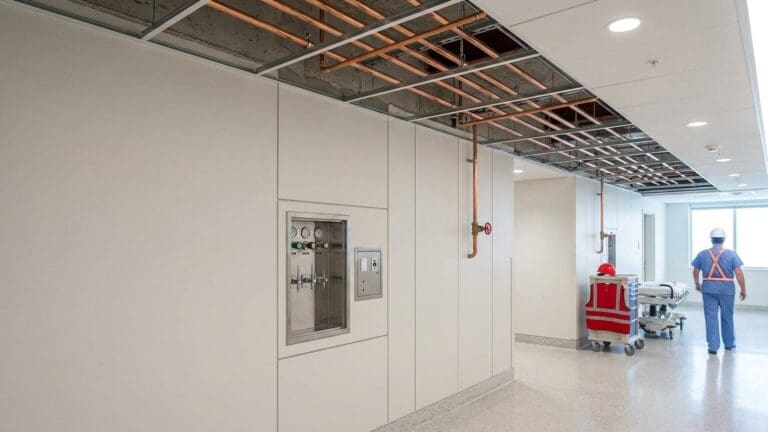
What Does a Mechanical Contractor Do? Scope and Trades
A plain guide to what a mechanical contractor covers, how the role differs from a general contractor, plumber, or HVAC service company, and when a Northern Ohio facility needs one.
Insights from Wilkes Plumbing & Heating
Field-tested guidance from a mechanical contractor serving Ohio plants, hospitals, schools, and commercial buildings since 1912. 28 articles and counting.
New guides publish here first.

A plain guide to what a mechanical contractor covers, how the role differs from a general contractor, plumber, or HVAC service company, and when a Northern Ohio facility needs one.

Process piping carries what your plant makes, under a different code than plumbing. A plain guide to ASME B31.3, material selection, tie-in sequencing, and the turnover records Ohio plant managers should demand.

A plant-side guide to hiring an industrial piping contractor: the twelve questions to ask before award, how to weight the answers, and how to normalize bids that were not scoped the same way.

Orbital welding produces repeatable, low-oxide welds on product-contact piping. Here is which systems justify it, what a good specification has to say, and how Northern Ohio plants should plan the shop and field work.

A plumber holds a trade credential; a plumbing contractor holds the license, the permit, the bond, and the warranty. Here is how Ohio owners decide which one a commercial or industrial job actually needs.

A decision framework for facility teams weighing a rooftop unit repair against replacement, covering cost ratios, failed components, refrigerant phasedowns, load verification, and the Ohio permit and inspection steps that drive the schedule.

A working commercial plumbing maintenance checklist for Northern Ohio facilities, covering what your own staff should inspect monthly, what a contractor should service quarterly, and which annual tests Ohio actually requires.

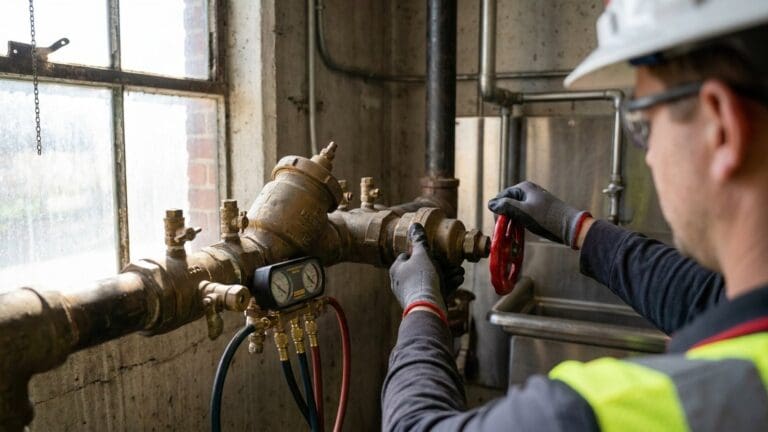
What Ohio building owners need to know about backflow testing: which connections need a testable assembly, how hazard class picks the device, how often testing is required, and what happens when a report is late.

Repair a commercial boiler while the vessel is sound and parts are current. Replace it when the vessel leaks, the controls are obsolete, or the plant is too oversized to run efficiently. Here are the six signs.
Talk through scope, schedule, and budget with a Wilkes project manager. No obligation, and we answer the phone.