Healthcare Mechanical Contractor Ohio Hospitals Rely On
Most of what we do in healthcare happens in a building that never closes. That changes the job. Scope gets broken into phases that fit the clinical schedule, tie-ins move to nights and weekends, barriers and negative air go up before the first fitting comes off, and every shutdown is written down and agreed to before a valve is touched.
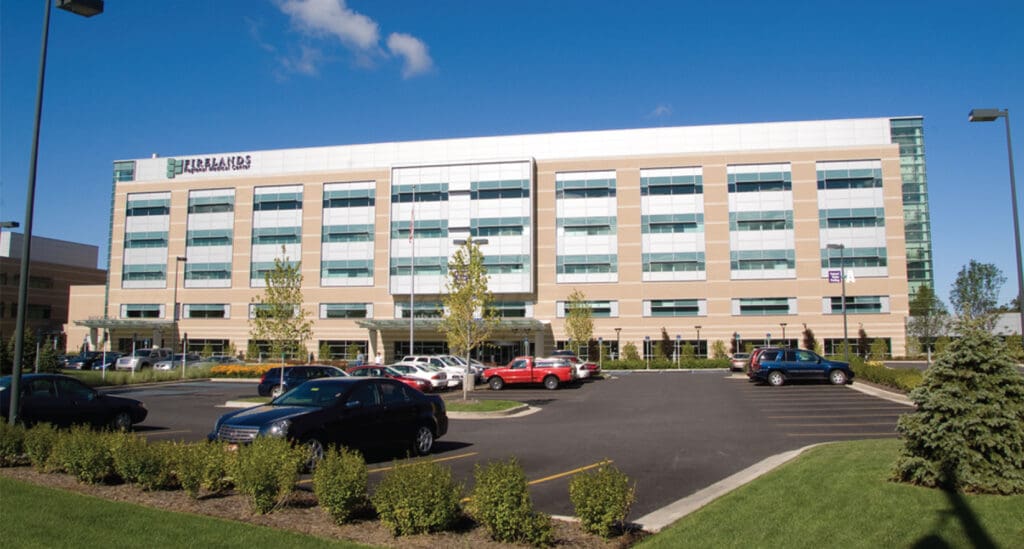
Wilkes has performed mechanical work at Firelands Regional Medical Center in Sandusky. We handle new construction, department renovations, equipment replacements and service calls for facility teams who need the room turned back over on the date they promised it.
Built for occupied healthcare buildings
- NFPA 99 medical gas systems
- Brazed, purged and verified
- Phased work in occupied wings
- Pressure relationships held during construction
- Steam, hydronic and chilled water
- Documented shutdowns and tie-ins
What we build and service in healthcare
Piping and plumbing
- Medical gas and vacuum piping
- Domestic water and sanitary risers
- Backflow prevention assembly testing
- Steam, condensate and hydronic piping
- Lab waste and acid neutralization
Air, heat and equipment
- Air handlers and terminal units
- Operating room ventilation upgrades
- Boiler and chiller replacements
- Exhaust for labs and isolation rooms
- Equipment startup and balancing support
Who is the right healthcare mechanical contractor Ohio hospitals can call?
What goes wrong on a hospital job is rarely the pipe. It is the shutdown that ran two hours past the window, the room that lost its pressure relationship, the medical gas outlet that failed verification the week before a department was supposed to open. The mechanical scope is the easy half. Planning it around surgery schedules, patient moves and survey readiness is the half that decides whether the project lands.
Wilkes has performed mechanical work at Firelands Regional Medical Center in Sandusky, and we carry the same scopes across Northern Ohio: medical gas piping, domestic water, sanitary and lab waste, steam and hydronic heating, and commercial plumbing and HVAC for the clinics, offices and support buildings around the acute care core.
How is medical gas piping installed and certified?
NFPA 99, the Health Care Facilities Code, drives the whole sequence: how the system is categorized by risk, how tube is handled, how joints are brazed, how the system is pressure tested, and how it is verified before anyone breathes off it. Copper tube arrives cleaned for oxygen service and stays capped. Brazing runs under a nitrogen purge. Joints stay exposed until they have passed test.
The code expects installers qualified under ASSE 6010 and a final verifier qualified under ASSE 6030 who is independent of the installing contractor, credentials administered by ASSE International. CMS adopted the 2012 edition of NFPA 99 for hospitals participating in Medicare, which is why surveyors ask to see source and zone valve identification, alarm testing and the verification report. Those documents go into closeout, not into a box in the trailer. Our article on healthcare plumbing and medical gas walks through the sequence in more detail.
How do you protect ventilation and pressure relationships during construction?
Ventilation in a hospital is a design requirement, not a comfort setting. The FGI Guidelines govern how care spaces are laid out and point to ASHRAE Standard 170 for air change rates, filtration and pressure relationships room by room, published with the rest of the society’s work on the ASHRAE standards and guidelines page. Operating rooms run positive to the corridor. Airborne infection isolation rooms run negative. Soiled utility and most lab exhaust rooms run negative, and sterile storage runs positive.
A renovation can undo any of that in an afternoon. Before demolition we set the infection control barrier, put the work area under negative pressure, filter what leaves it and read the differential every day the barrier is up. Filter changes, duct openings and air handler outages get scheduled with the facility team, and the affected rooms are read and documented again before the space goes back to clinical use. Larger air side work is handled through our commercial HVAC group.
What keeps hospital water systems safe?
Water is the quieter risk. ANSI/ASHRAE Standard 188 sets out how a building water management program is built and maintained, and the CDC Legionella guidance covers why it matters in a building full of patients who cannot fight an infection off. Renovations create the exact conditions that program is written against: capped branches left in a wall, low flow through a wing that is closed for six weeks, water sitting warm in a riser.
We cut dead legs out rather than leave them, flush and disinfect new piping before turnover, and coordinate temperature and flushing plans with the facility engineer. Cross connection control is part of the same conversation, and backflow assembly testing is done under the Ohio rules found in Ohio Administrative Code Chapter 3745-95. Plumbing work itself is permitted and inspected under the plumbing rules adopted by the Ohio Board of Building Standards.
How does healthcare work get phased around patients?
Phasing is written before the first submittal. We walk the space with the facility director, mark what has to stay live, and build the tie-in list around the hours the department can give up. Temporary heat, temporary domestic water and temporary boilers are planned in, not improvised at 2:00 AM. On a Lake Erie winter job, that also means protecting outside air coils, rooftop units and any line running through an unheated chase, because a freeze on the north side of Erie County is a flooded department, not an inconvenience.
Steam and hydronic changeovers are the tightest windows we work. Boiler replacements, converter and pump changes and distribution repairs run through our boiler and hydronic heating crews, and we use the same phased approach on campuses in education and institutional work.
Talk to a healthcare mechanical contractor in Northern Ohio
Tell us the department, the shutdown window and the date it has to be back in service. Call (419) 433-2325, or request a quote. Our office is at 205 Sprowl Rd, Huron, Ohio, open Monday to Friday, 8:00 AM to 4:00 PM, and we serve Sandusky, Huron, Norwalk, Port Clinton, Vermilion, Lorain and Fremont.
Frequently asked questions
Do you work in occupied hospitals and clinics?
Yes. Most of our healthcare work happens in buildings that stay open. We phase the scope around the clinical schedule, set infection control barriers and negative air before demolition, move tie-ins to nights and weekends, and document every shutdown with the facility team before a valve is closed.
What code governs medical gas piping?
NFPA 99, the Health Care Facilities Code, covers medical gas and vacuum systems from system category through brazing, purging, pressure testing and final verification. It expects installers qualified under ASSE 6010 and a verifier qualified under ASSE 6030 who is independent of the installing contractor. CMS adopted the 2012 edition for participating hospitals.
Can you help with a Legionella water management program?
We handle the piping side of it. That means removing dead legs during renovation, disinfecting and flushing new lines before turnover, and coordinating flushing and temperature plans with your engineer. ANSI/ASHRAE Standard 188 and CDC guidance define the program itself, which the facility owns and we build to.
Which Northern Ohio counties do you cover for healthcare work?
We work from Huron across Erie, Huron, Lorain, Ottawa and Sandusky counties, including Sandusky, Norwalk, Port Clinton, Vermilion, Lorain and Fremont, and we take healthcare projects elsewhere in Ohio. Being close matters on a hospital job, because a shutdown that slips needs a crew that can get back the same night.
Do you handle service work as well as construction?
Yes. Alongside new construction and department renovations we handle equipment replacements, boiler and pump work, backflow assembly testing, medical gas repairs and service calls. Many facility teams start with a small service item and later use us for planned projects, because the crew already knows the building and its shutdown limits.
Request a quote for healthcare mechanical work
Healthcare mechanical services
Wilkes Family of Companies